We have been caring for the purity of nature since 2015.


Author: Yanitsa Mitreva-Georgieva, Engineer
Building an industrial biomass boiler plant requires much more than installing process equipment. Successful delivery depends on the proper integration of multiple engineering systems, effective management of construction and installation activities, and coordination between everyone involved.
Hydrolia AD undertook overall project management and the execution of the main construction, installation and engineering works for a new biomass boiler plant.
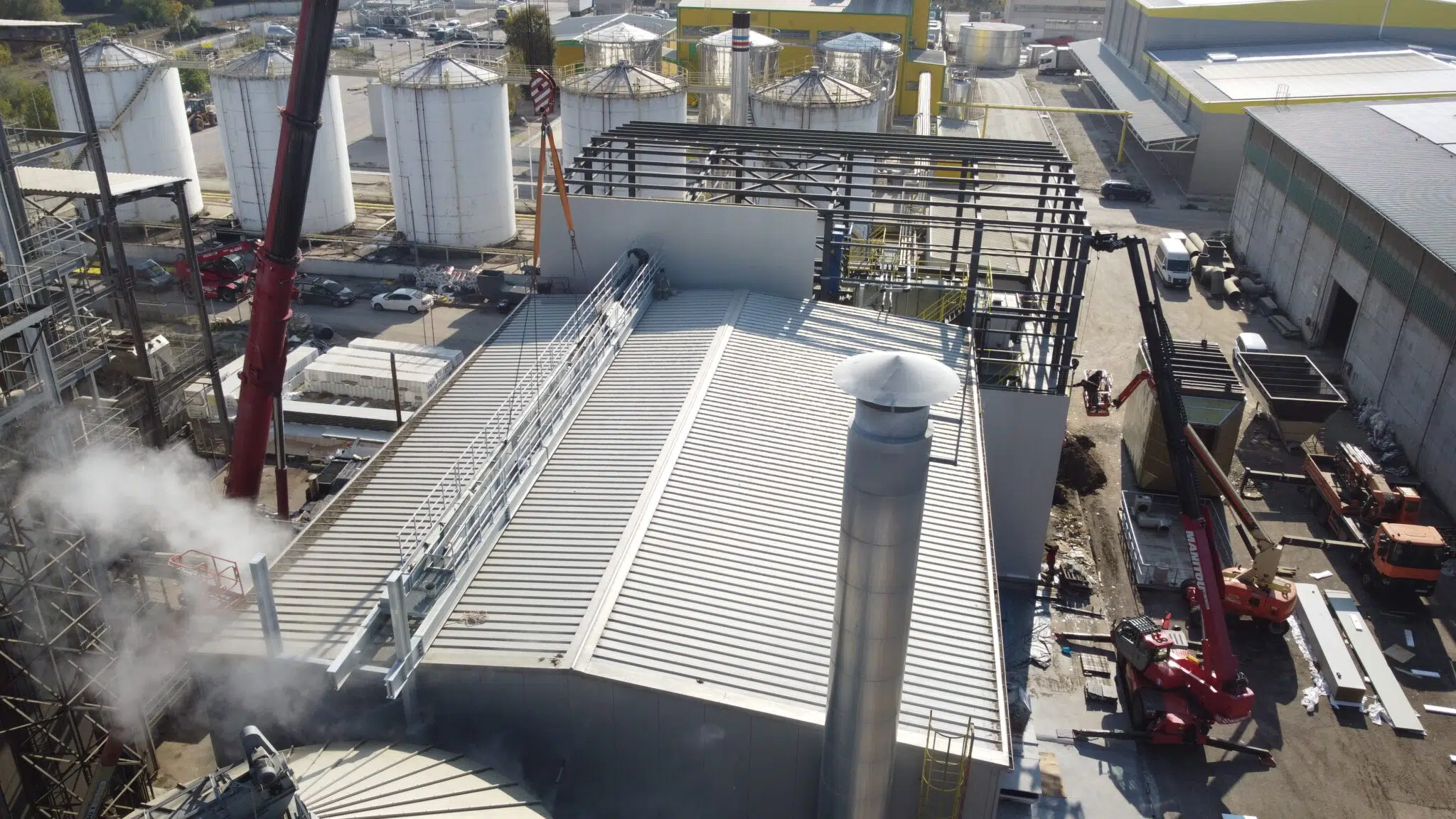
The plant has a thermal output of 6.6 MW and a capacity of 10 tonnes of saturated steam per hour, serving the manufacturing facility’s process needs. It uses sunflower husks as fuel – a by-product of sunflower processing.
Hydrolia was responsible for managing and coordinating the project as a whole, including the interfaces between the client, the equipment supplier, the design teams and all other contractors.
Our scope of work covered virtually all activities required to build the plant, except for the supply of the boiler and ancillary equipment and the supply and erection of the building’s main steel structure.
At the start: One year later:
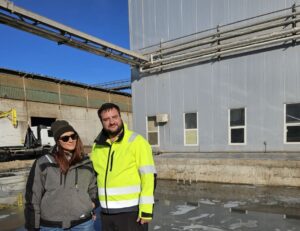
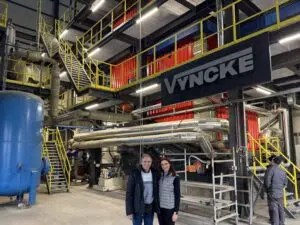
Hydrolia joined the project after the main engineering design had been developed.
During preparation and subsequently throughout execution, gaps and inconsistencies were identified in the original design documentation. Additional equipment and process connections that had not been included in the initial scope were also required.
This called for new engineering solutions, modifications to existing structures and adaptations of individual components of the supplied equipment to suit actual site conditions.
The challenge was both technical and organisational. Additional works had to be identified promptly, technically justified, agreed upon and incorporated into the overall project schedule.
As the overall project manager, Hydrolia served as the central point of coordination between all parties.
Project communications were channelled through our team – from clarifying technical matters with the manufacturer and designers to coordinating construction and installation activities and agreeing on the necessary changes with the client.
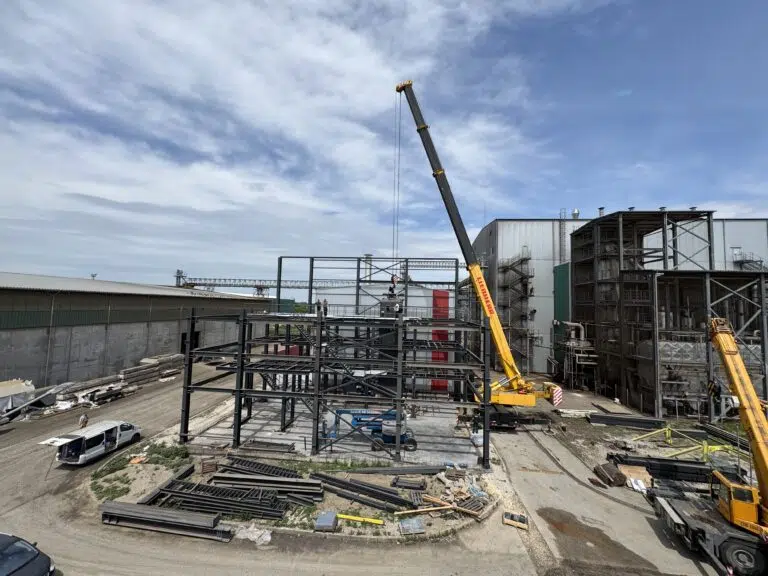
Hydrolia carried out a comprehensive range of construction and installation works, including the boiler house substructure, the necessary foundations and infrastructure, and the wall and roof cladding.
The supply and erection of the main steel structure had already been awarded to another contractor. Hydrolia was also responsible for managing and coordinating these activities.
A major part of the work involved installing the boiler and ancillary equipment supplied by the manufacturer, under the technical supervision of the manufacturer’s specialists.
In parallel, all necessary process piping, air ducts, flue gas ducts, thermal insulation, electrical installations and automation systems were installed.
A key element of the project was integrating the new boiler plant with the existing production infrastructure. This included installing new external piping routes and relocating an existing pipe rack.
All activities were coordinated within the overall project management framework to ensure process connectivity and continuity of production.
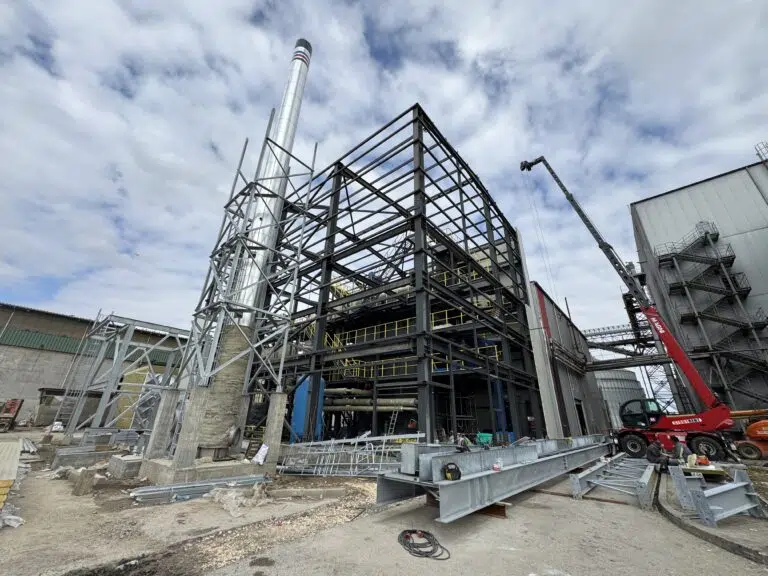
One of the main challenges was the need to develop and implement a range of engineering solutions that had not been included in the original design.
These included a complete sunflower husk conveying and feeding system connecting the existing silo to the new biomass boiler plant, together with the necessary structures, power supply and automation.
The steel chimney, support structures for the electrostatic precipitator and flue gas ducts, access platforms, stairs and safety provisions were also designed and built as additional works.
During installation, further needs arose for structural modifications, adjustments to process connections and alterations to individual components of the supplied equipment.
Hydrolia played a key role in identifying these needs promptly, arranging the additional design work and coordinating execution in close cooperation with the main equipment supplier, designers and specialist contractors.
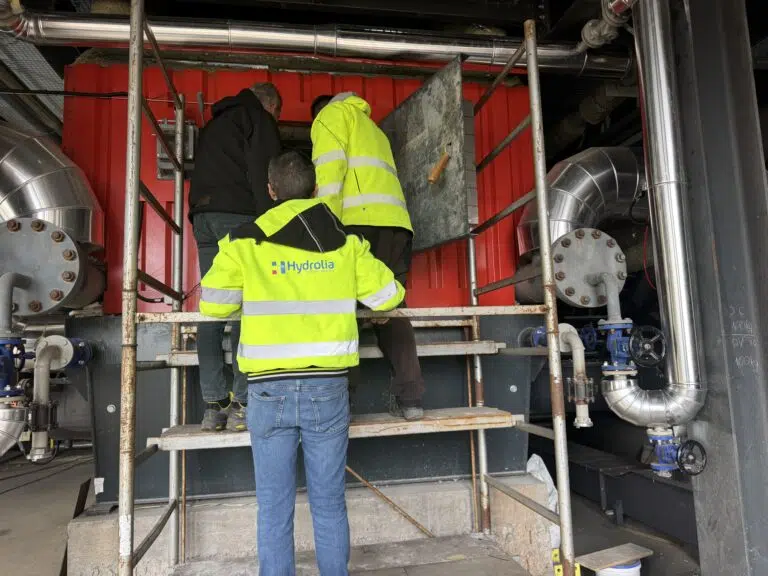
One of Hydrolia’s most demanding responsibilities was managing the project as a whole, including the activities of all parties, regardless of their individual contractual obligations and scopes of work.
This involved coordinating construction, process equipment installation, steelwork, piping systems, electrical installations, automation and associated infrastructure works.
Cooperation with the main equipment supplier was particularly important. The boiler installation had to be completed in accordance with the manufacturer’s technical requirements and under its supervision.
At the same time, the entire installation had to comply with applicable Bulgarian legislation and good engineering practice, while being integrated into the facility’s existing process systems without interrupting ongoing production.
This required precise coordination, agreement on technical solutions and careful planning of the sequence of works.
Hydrolia coordinated these workstreams, managed communication and the resolution of technical matters, and handled the interdependencies between individual activities.
The ongoing need for design changes and refinements added further complexity.
Change management became an essential part of project delivery – from identifying a problem and developing a technical solution to securing agreement among the parties, arranging the necessary resources and incorporating the new activities into the overall execution process.
This approach was particularly important in maintaining the sequence of construction and installation works, given the significant number of additional work orders and engineering adaptations.
The new biomass boiler plant project was completed through the execution and integration of all necessary construction, process, electrical and automation systems.
Hydrolia’s initial scope expanded to include numerous additional engineering, structural and process-related activities needed to address the identified design gaps and adapt the solutions to actual site conditions.
Hydrolia’s key role was to bring technical execution and the management of all parties together in a single coordinated process – from equipment installation and infrastructure construction to the development of additional solutions and the integration of individual systems.
The project demonstrates the team’s ability to manage complex industrial projects, coordinate international suppliers, designers and specialist contractors, and respond effectively to technical challenges during construction.
For Hydrolia, this project exemplifies our approach to delivering complex industrial systems – comprehensive management, engineering expertise, effective coordination and responsibility for completing the project as a fully integrated, functional solution.