We have been caring for the purity of nature since 2015.


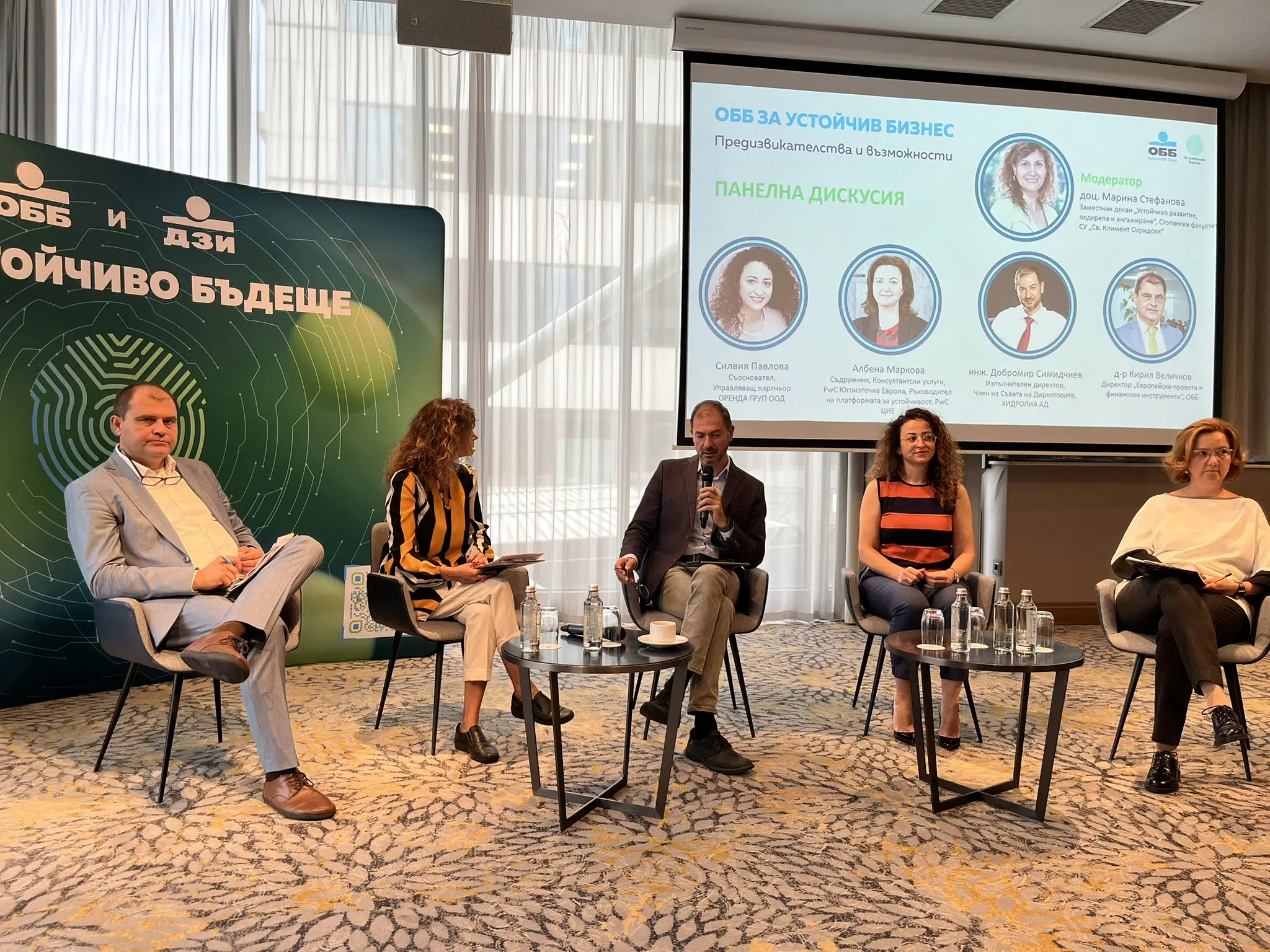
Dobromir Simidchiev, CEO of Hydrolia AD, participated in the panel discussion “UBB for Sustainable Business – Challenges and Opportunities” as part of the “UBB and DZI for a Sustainable Future” forum.
How can businesses turn sustainability (sustainable water management) into tangible economic benefits? What are the barriers to adopting circular economy models, and what role do expert partnerships and financial institutions play in overcoming them?
These were among the key questions discussed during the panel, which brought together business representatives, financial sector professionals, and sustainability experts. Sustainable water management was a key topic addressed by Dobromir Simidchiev during the discussion.
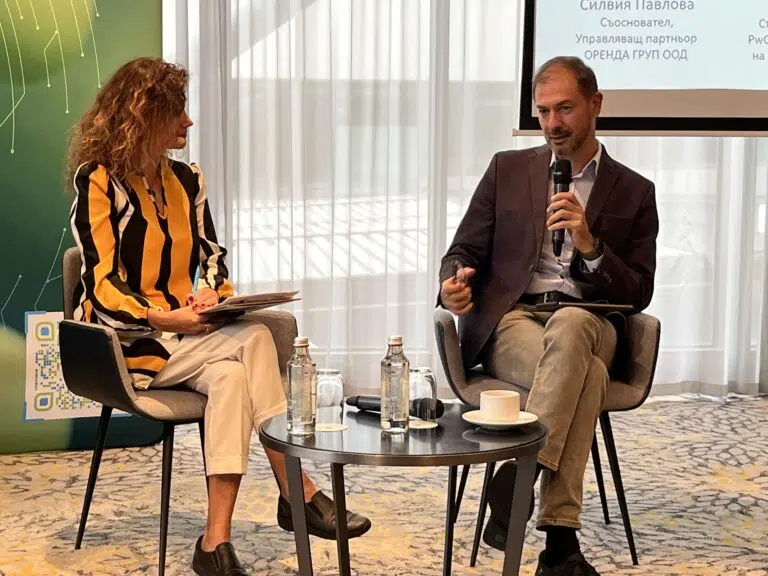
During the discussion, Dobromir Simidchiev highlighted that, despite the availability of proven solutions, water reuse is still not widely adopted in Bulgaria.
He noted that companies often take action only when faced with a specific need or external pressure. At the same time, successful practices demonstrate that investments in water efficiency can significantly reduce water consumption.
As a practical example, he referred to residential developments in the Sofia area where treated wastewater is reused for irrigation. Hydrolia has been involved in the construction of water supply and wastewater infrastructure for several such developments.
An important aspect is the ripple effect of successful projects: when one investor implements a proven solution, others become more willing to follow.
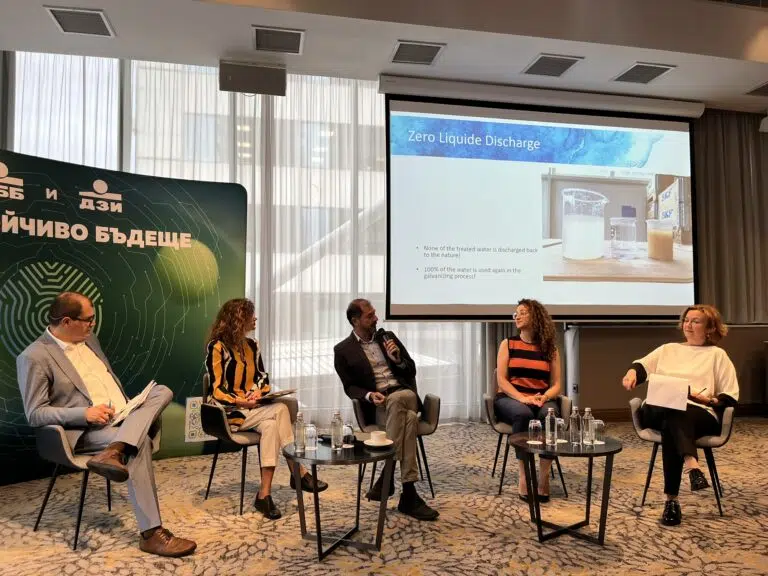
The potential for water reuse and sustainable water management extends far beyond residential developments.
The discussion highlighted opportunities for broader implementation in agriculture and industry, as well as the need for greater involvement from the public sector.
For established industrial processes, implementing change often requires significant investment and a reassessment of existing technologies. This is why expert evaluation and long-term planning are essential for the successful adoption of new solutions.
Another important topic was the partnership between Hydrolia and UBB, aimed at raising business awareness of opportunities for more efficient water resource management.
As part of this collaboration, Dobromir Simidchiev also contributes his expertise to the Sustainability Academy (Akademiya za Ustoichivost), where he participates in the course “Sustainable Water Management in Bulgaria”.
During the panel, he emphasized the importance of water audits as a starting point for identifying opportunities for optimization.
By analyzing their water consumption, companies can gain a clearer understanding of potential improvements, the measures required, and the timeframe for implementation.
This approach allows sustainability to be viewed not as an abstract goal, but as a practical process involving planning and investment.
One of the key takeaways from the panel was the need for closer cooperation between businesses, expert organizations, and financial institutions.
Participants discussed financing opportunities for projects related to the circular economy and resource efficiency, as well as the importance of technical and economic feasibility assessments for their successful implementation.
For businesses, this cooperation creates opportunities to turn initial ideas into concrete investment projects, supported by expert analysis and appropriate financial solutions.
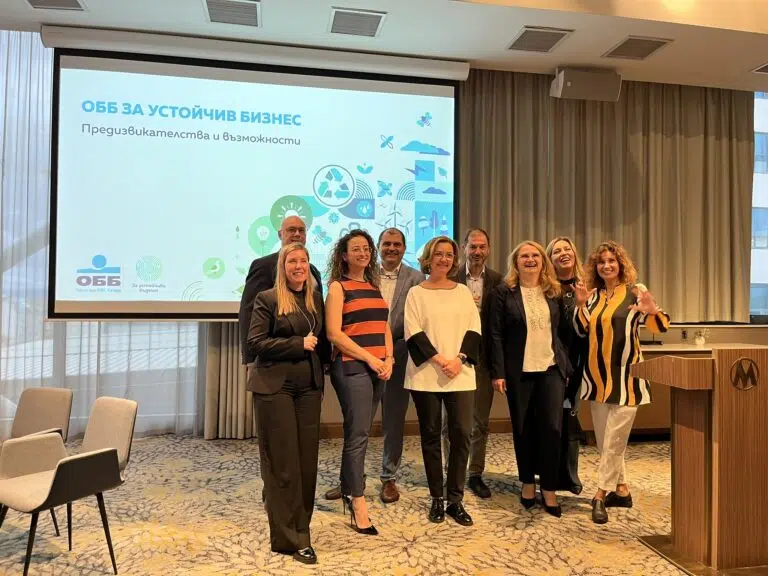
Hydrolia’s participation in the forum reinforces the importance of water efficiency as part of the broader conversation on sustainable business development and sustainable water management.
Practical examples demonstrate that effective solutions already exist. The challenge is to encourage their wider adoption through informed decision-making, appropriate investments, and collaboration among stakeholders.
At Hydrolia, we believe that sustainable water management is not only an environmental priority but also a real opportunity for more efficient resource use and long-term business resilience.